
-

Getting kids to talk about school isn’t always about asking more questions, From specific conversation starters to quiet car rides with teenagers, these simple strategies can help parents create a safe space where children feel comfortable opening up.
-

Keeping a home clean with kids doesn’t have to mean constant nagging. Simple routines, age-appropriate chores, and clear expectations can help children build responsibility while making everyday family life easier.
-
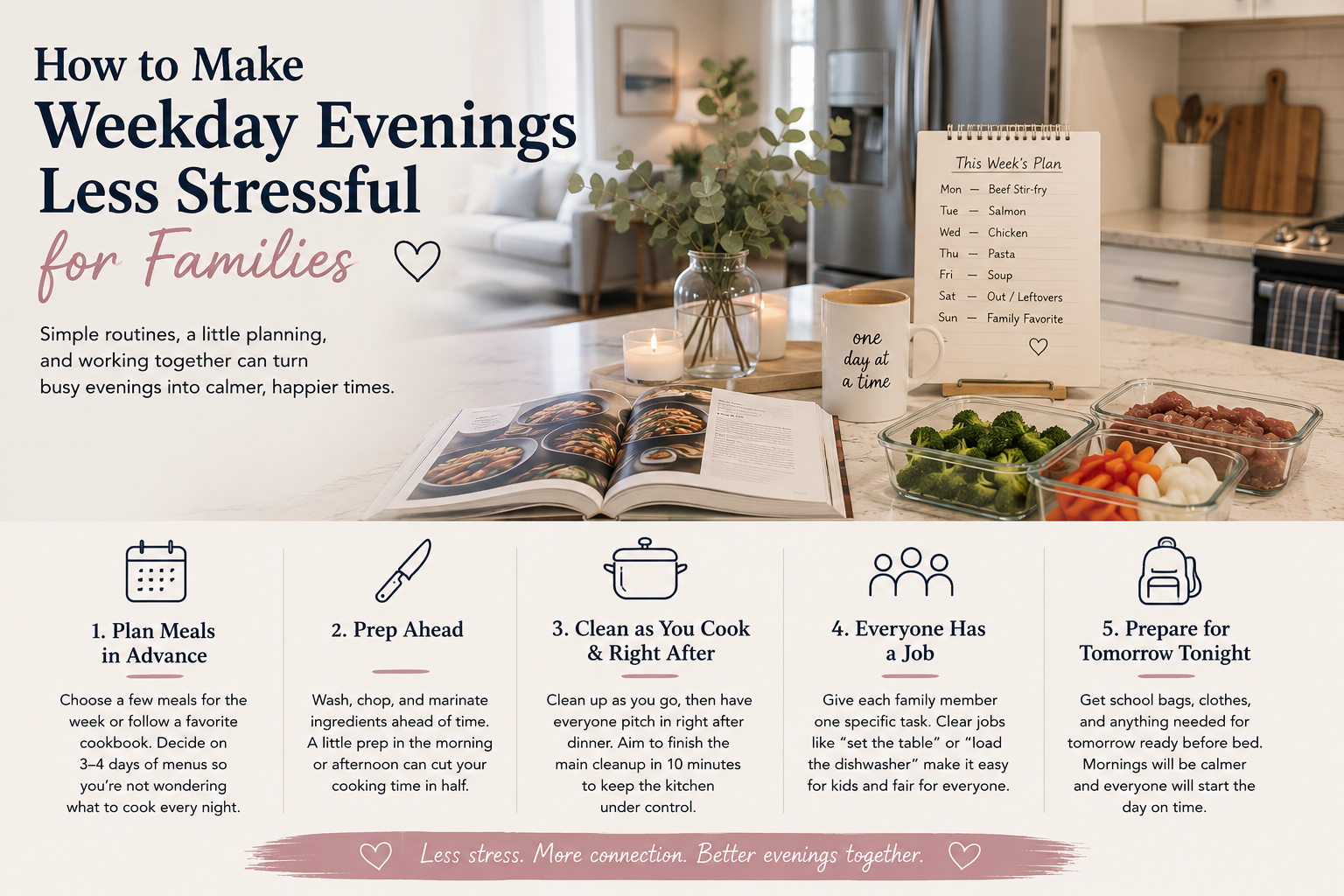
Simple family routines can make busy weekday evenings much less stressful. From meal planning and prepping ingredients ahead of time to cleaning up right after dinner and preparing for the next morning, these practical habits can help your family enjoy calmer evening together.
-

Choosing the right after-school activities can help children build confidence, discover their interests, make friends, and develop skills that may last a lifetime.
-
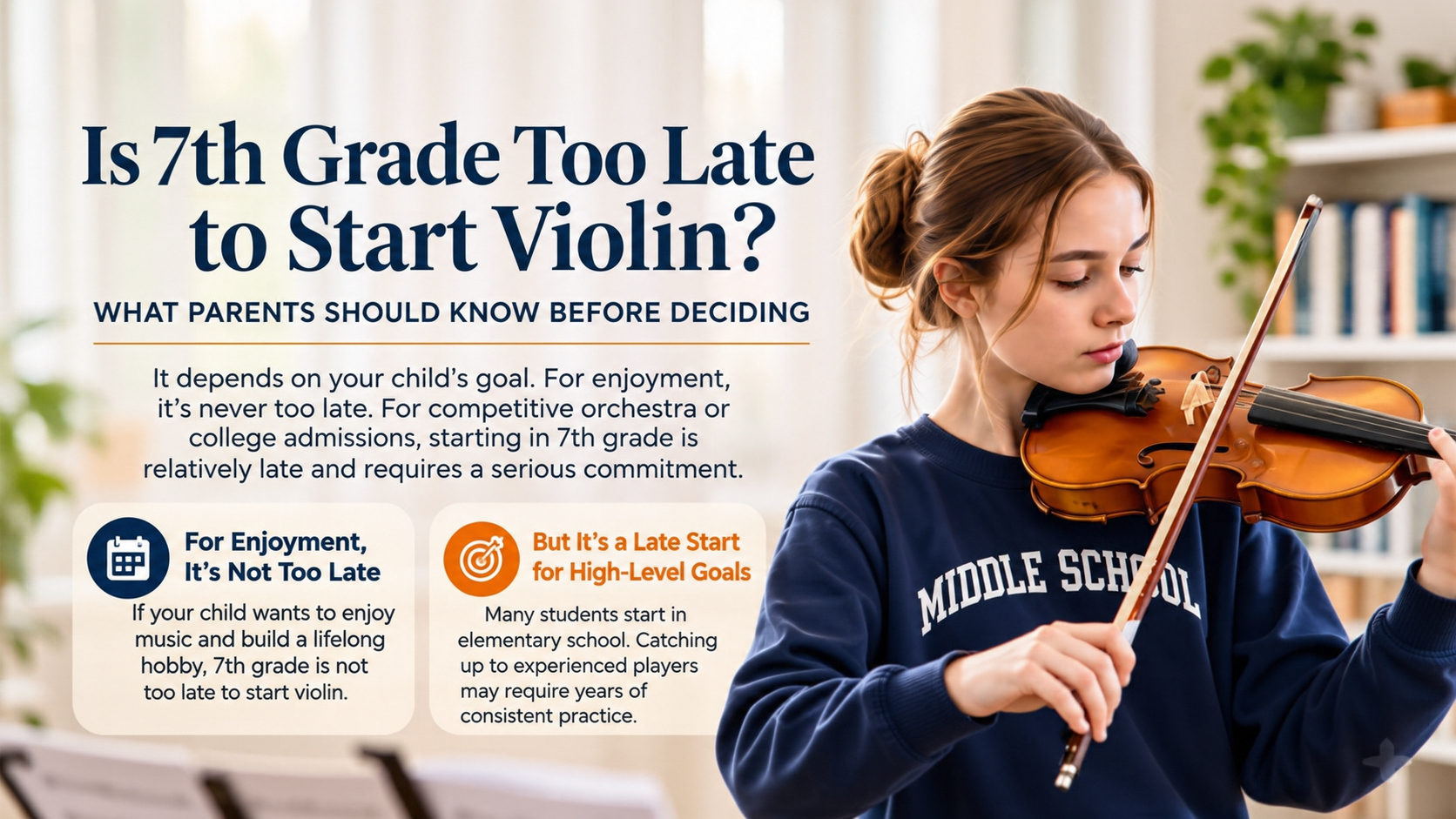
Is 7th grade too late to start violin? Here’s what parents should consider before beginning strings in middle school, from practice time to school orchestra expectations.
-

Does a child need natural talent to learn an instrument? Not necessarily. Consistent practice, genuine interest, and small successes often matter much more on the long run.
-
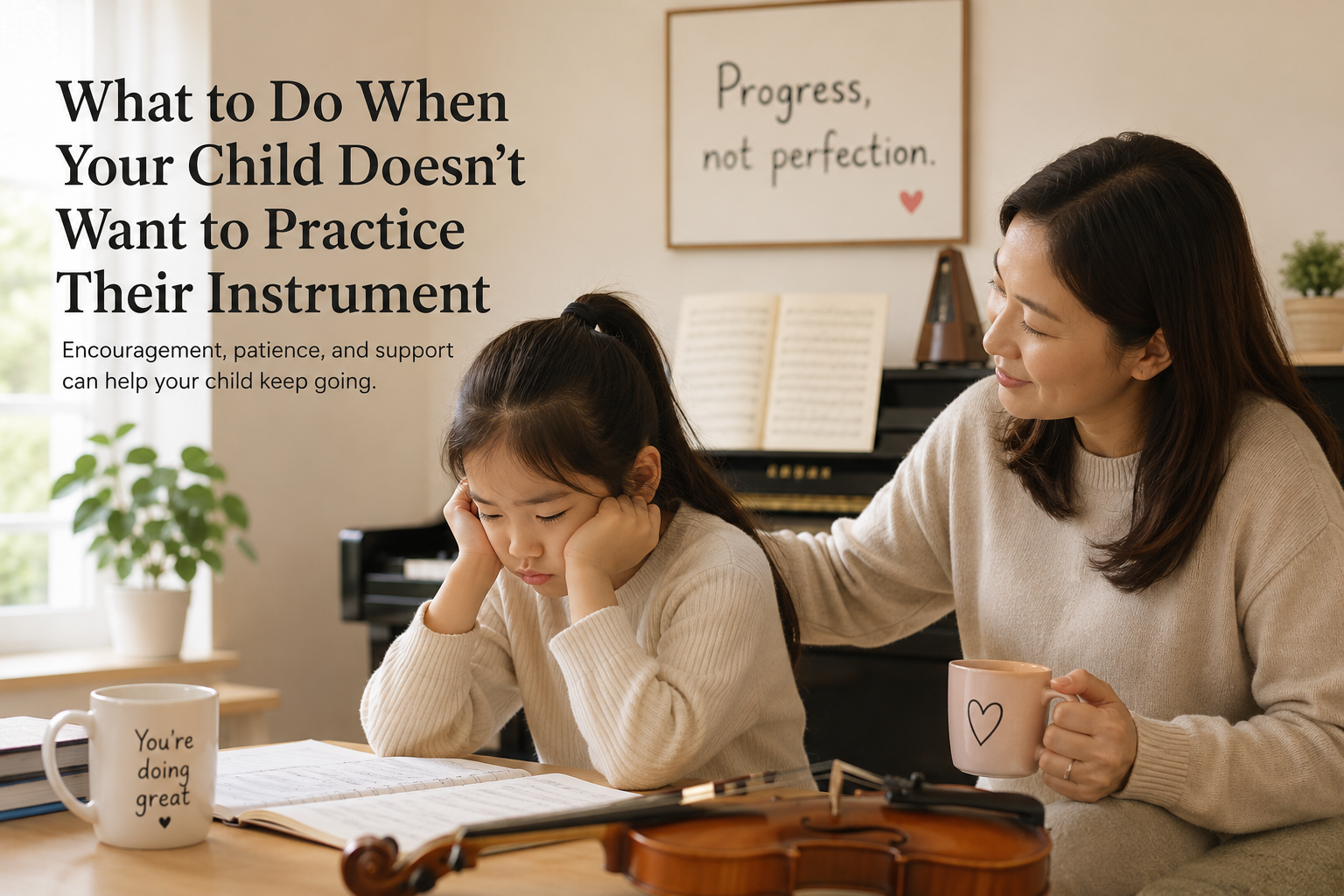
When your child doesn’t want to practice, pushing harder isn’t always the answer. Here’s how patience, encouragement, and the right kind of support can help them keep going.
-

Musical progress isn’t just about playing a piece perfectly. Here are the signs parents can look for in their child’s sound, technique, practice habits, confidence, and attitude toward music.
-
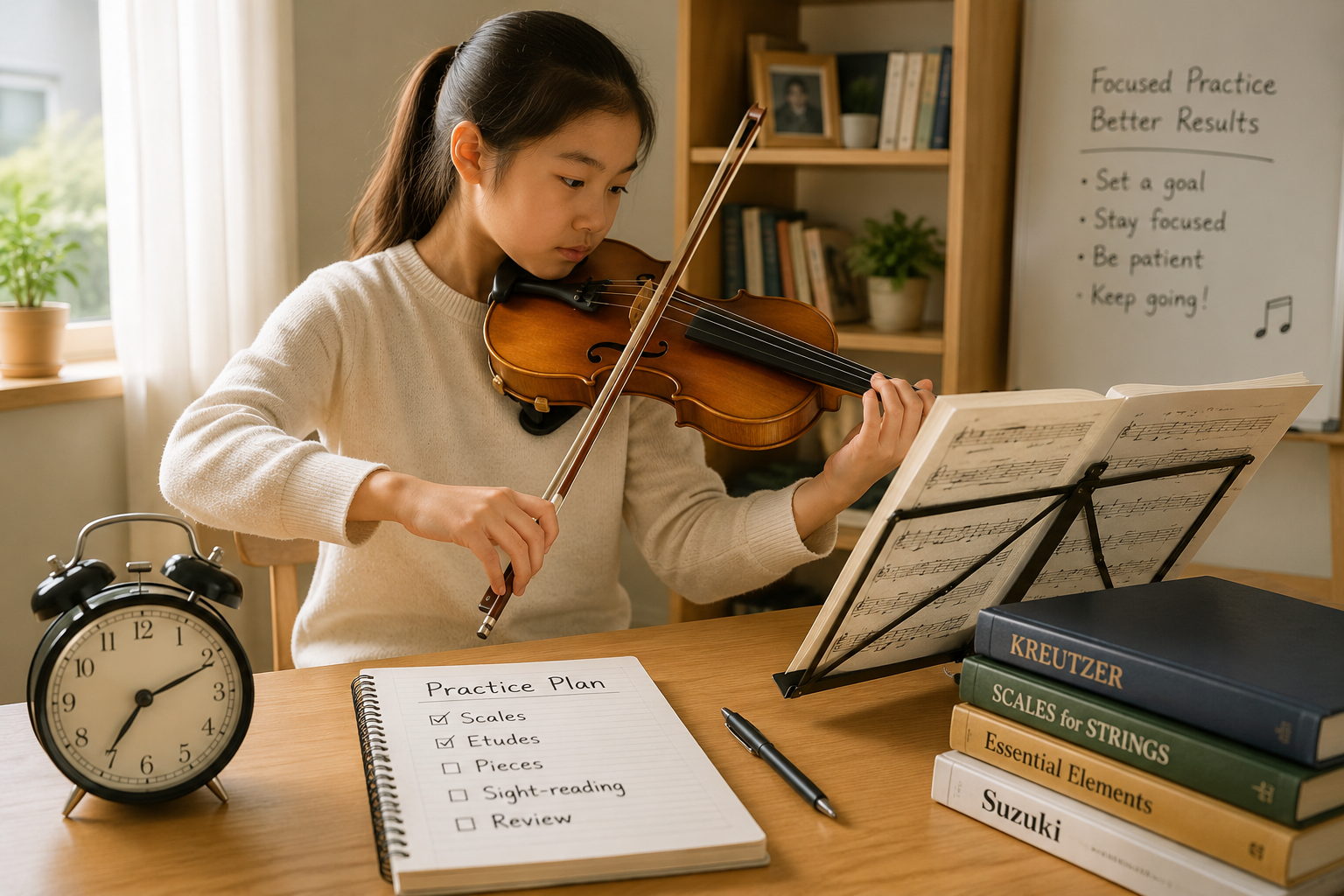
How much should your child practice an instrument each day? Learn how to choose the right practice time based on age, skill level, goals, and motivation.
-
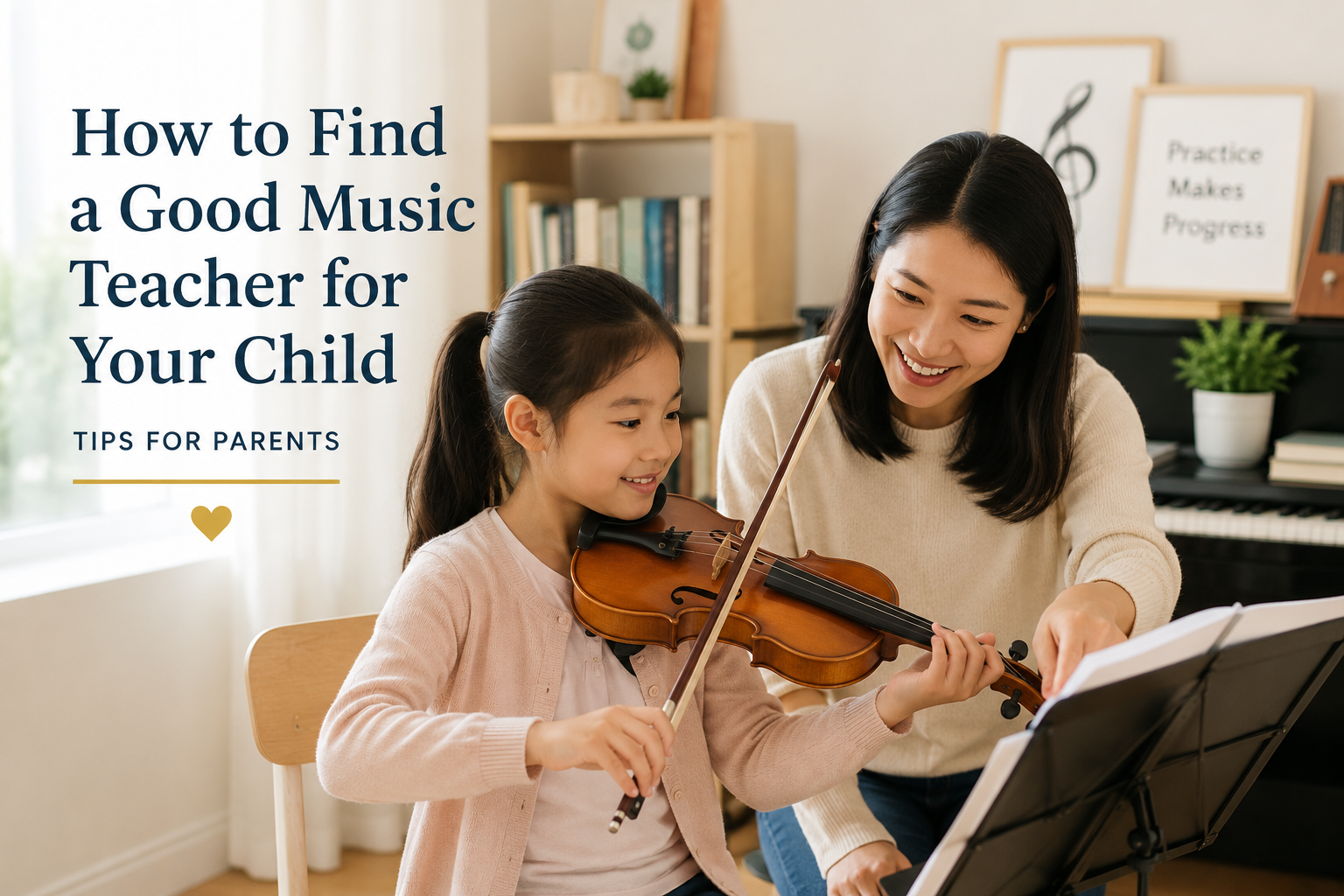
Finding the right music teacher can make a big difference in your child’s confidence and love for music. Here are practical tips to help parents choose a teacher who is the right fit.